A full-stack platform combining multiplex reagents, high-throughput brightfield & fluorescence imaging, and intelligent software to turn whole-slide images into quantitative spatial biology data.
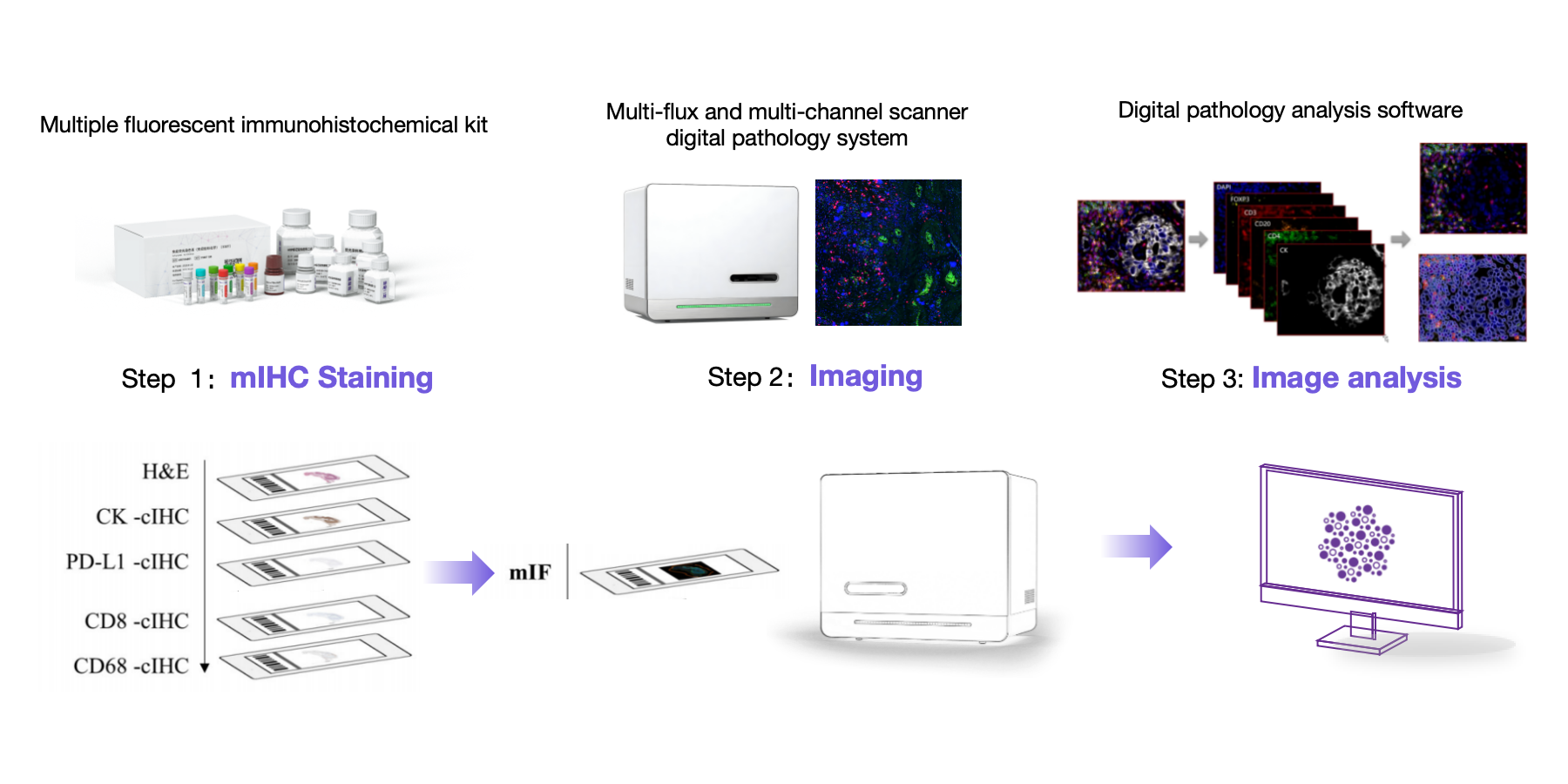
Our platform connects multiplex staining, whole-slide imaging, and downstream analysis so you can design experiments once and scale them from discovery to validation.
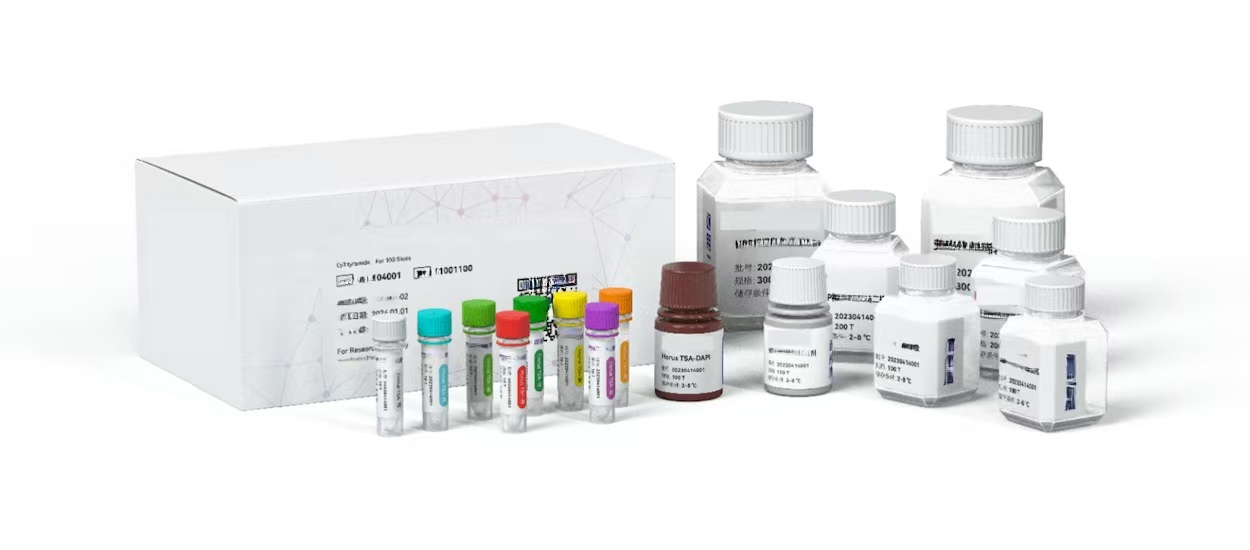
Multi-color, multi-label reagent panels designed for tissue microenvironment characterization, antibody evaluation, and tumor molecular subtyping.
Full-slide brightfield and up to seven fluorescence channels, with high-performance seamless stitching and precise motion control.
Acquisition and viewing software for automated filter switching, multi-channel registration, and flexible visualization of whole-slide images.
Export image and measurement data for downstream bioinformatics, and integrate with lab systems to support decision-making and routine workflows.
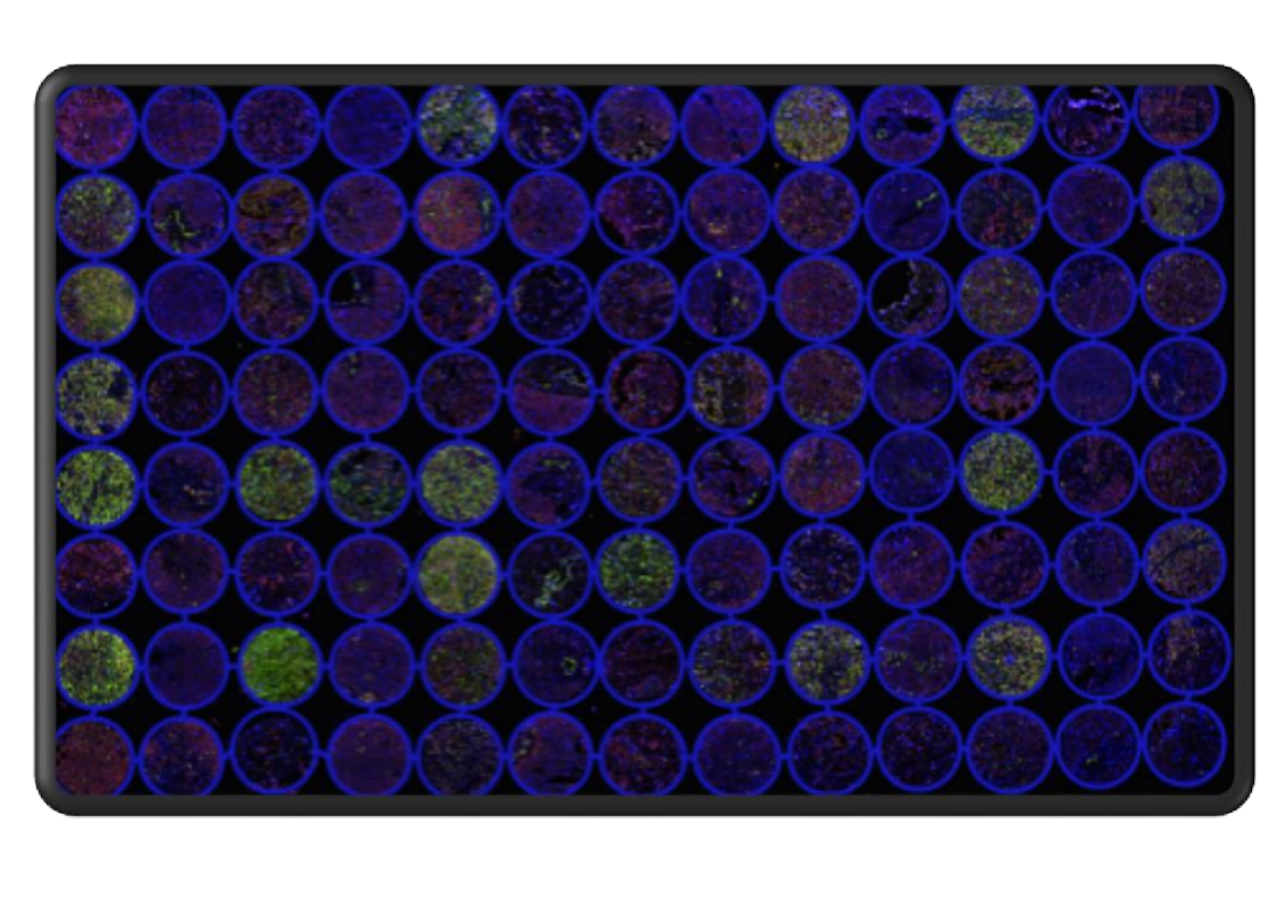
Full-slide scanning under brightfield and multi-channel fluorescence supports a wide range of research and clinical applications.
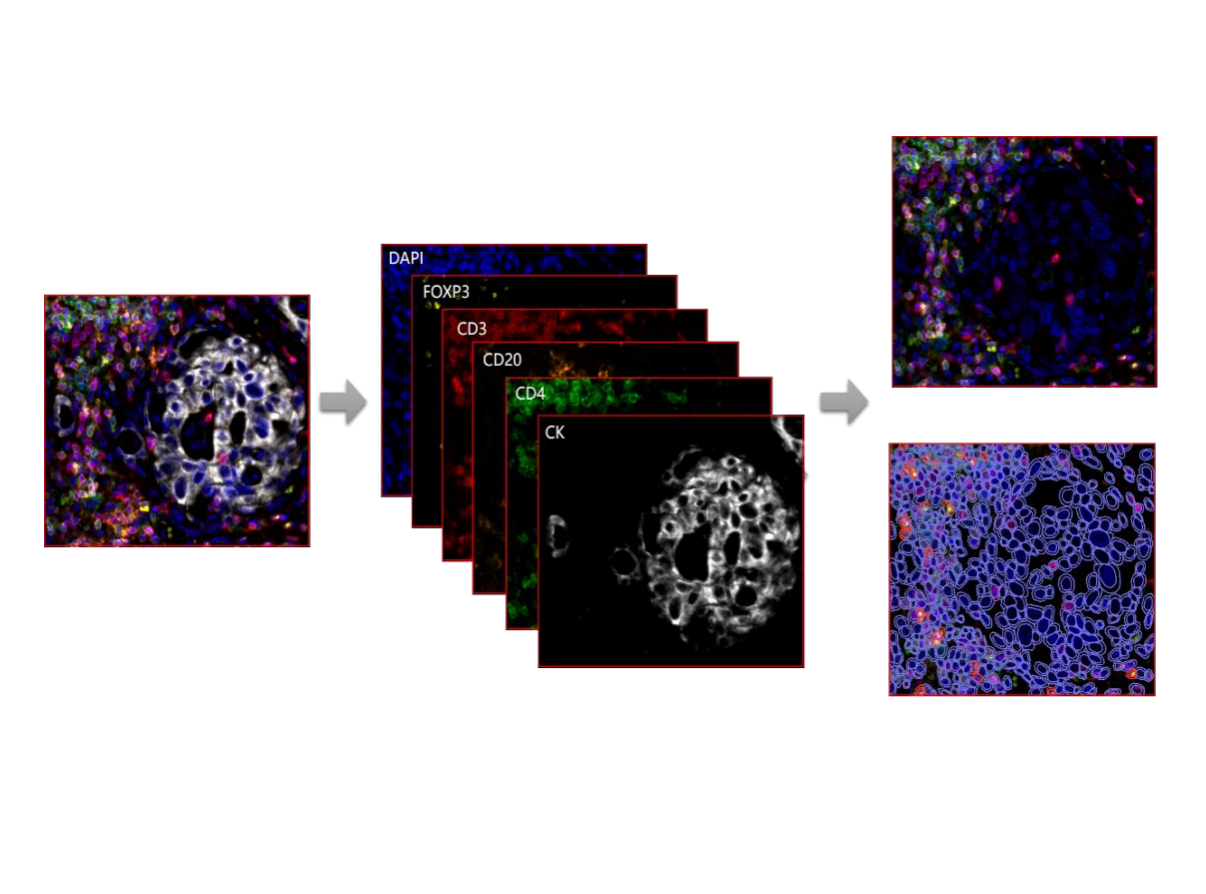
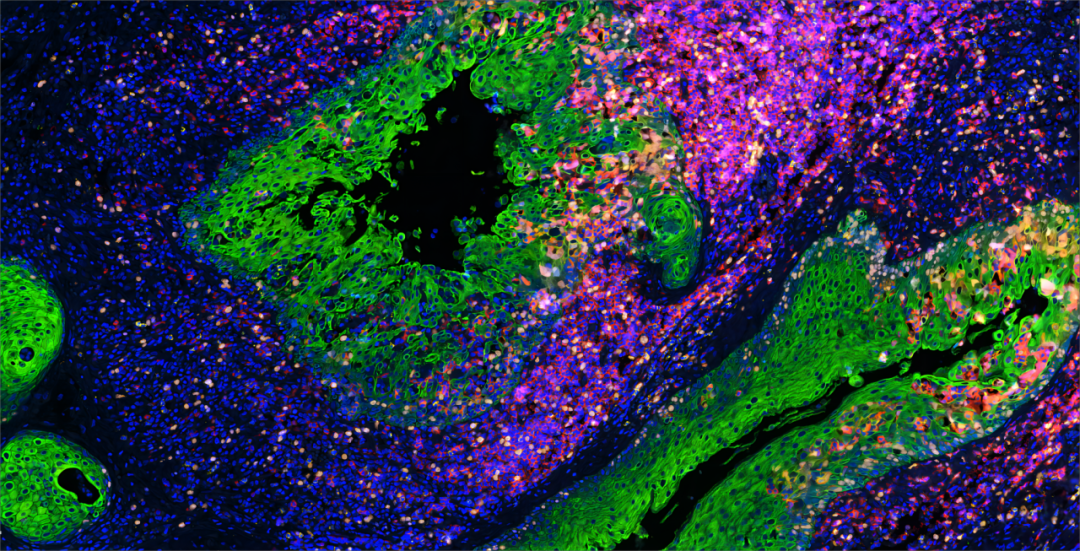
Characterize immune infiltration, stromal compartments, and tumor architecture using high-resolution multi-marker imaging.
Evaluate biomarker expression and co-localization directly in tissue to support antibody drug development and target validation.
Combine brightfield and fluorescence imaging in a single scanner to support precision diagnostics and treatment recommendations.
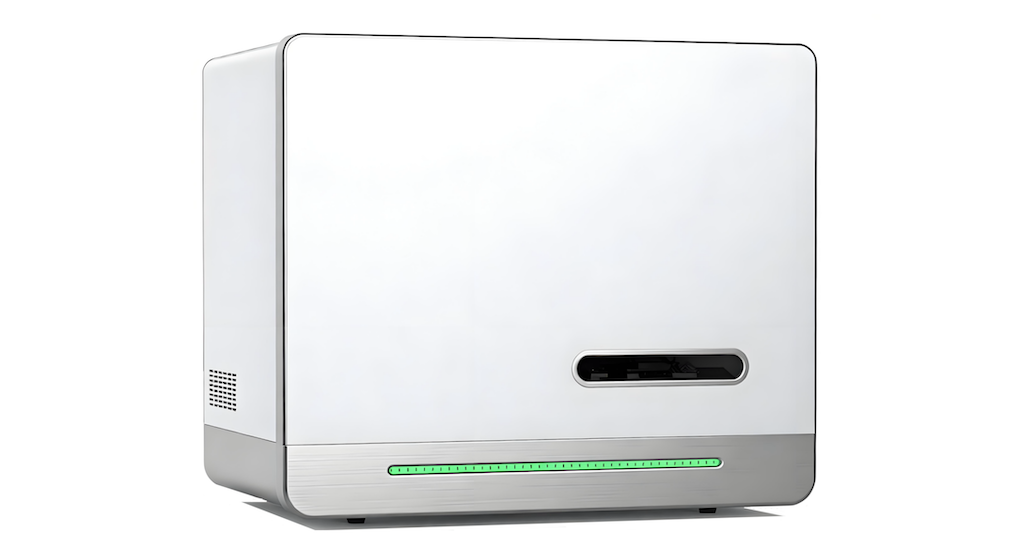
A compact, high-throughput digital pathology scanner providing brightfield and fluorescence imaging across multiple slides in a single run.
Ideal for studies requiring both morphology and multiplexed marker information on the same slide.
View full specificationsReagent panels and staining chemistries are designed to match the spectral capabilities of the Aurora V8 scanner and enable reliable multiplex imaging.
Multi-label reagent sets that support routine markers for tumor microenvironment studies and antibody drug evaluation.
Work with our team to align reagent design with your imaging and analysis needs.
Integrated scanning and viewing software streamlines multi-channel acquisition and provides flexible tools for exploring whole-slide images.
High-resolution optics, precise motion control, and multi-channel acquisition ensure consistent, quantifiable spatial biology data.
Full-slide fluorescence imaging captures detailed marker expression patterns across tissues.
Brightfield and fluorescence channels can be reviewed individually or in overlays to support both morphology and marker-based interpretation.
| Feature | Details |
|---|---|
| Objective lens | UPlanApo 20X/0.75, UPlanApo 40X/0.95 |
| Sampling rate | 20X (0.29 µm/pixel), 40X (0.15 µm/pixel) |
| Image stitching | High-performance seamless stitching |
| Scanning time (15 mm × 15 mm area) |
Brightfield 20X: < 60 s Brightfield 40X: < 180 s Single-channel fluorescence: variable based on exposure ratio |
| Scanning cameras |
Quantity: 2 Sensor type: CMOS (color), CMOS (B&W) Pixel size: 5.86 µm × 5.86 µm |
| Motorized XY stage |
Grating feedback accuracy: 100 nm X-axis travel: 210 mm Y-axis travel: 48 mm |
| Slide holder | 5-slide type (75 mm × 25 mm) |
| Device dimensions | 650 mm × 500 mm × 500 mm |
| Power | 150 VA |
Share data, protocols, and deployment experience with your team using platform documentation and application-focused resources.
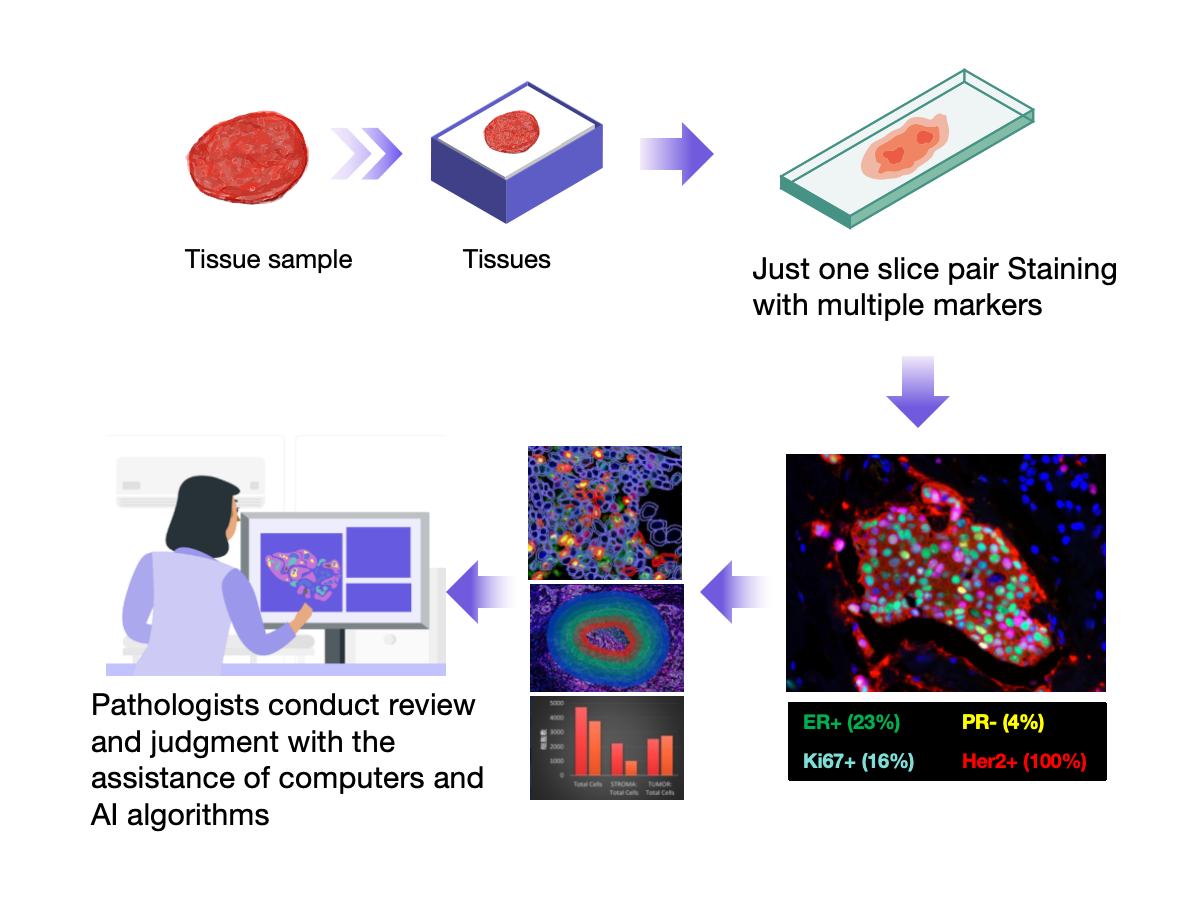
Illustrates end-to-end workflow for multi-marker imaging and microenvironment characterization on FFPE samples.
Site readiness, environmental requirements, and validation considerations for installing the Aurora V8 in your lab.
Best practices for storing, backing up, and exporting whole-slide images and measurement data.
We combine AI capabilities, bioinformatics engineering, and IT/hardware expertise to support your spatial biology programs from installation to routine use.
Guidance on site preparation, instrument installation, and basic workflow validation so you can start scanning quickly and confidently.
Training for pathologists, technicians, and data scientists on scanning, viewing, and data export workflows.
Ongoing technical support and preventative maintenance help keep your instrument performing reliably over the long term.
Tell us about your applications and we’ll help you evaluate reagents, instrumentation, and workflows that fit your team.